
A New Era of Homebuilding Has Arrived and S2A Modular is leading the charge. The construction industry is undergoing one of the most significant transformations in its history. For decades, traditional stick-built construction has been the standard approach for residential and commercial projects. While it has served the industry well, increasing labor shortages, rising material costs, project delays, and sustainability demands are forcing builders, developers, and homeowners to seek better solutions.
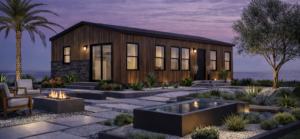 Enter modular construction – a revolutionary approach that is redefining how buildings are designed, manufactured, and delivered. As technology continues to reshape industries worldwide, modular construction is emerging as the future of homebuilding, offering faster timelines, greater quality control, improved sustainability, and unmatched efficiency. The question is no longer whether modular construction will become mainstream – it’s how quickly the industry will embrace it.
Modular construction involves manufacturing sections of a building, known as modulars or floors, within a controlled factory environment before transporting them to the project site for final assembly. Unlike traditional stick-built construction, where every component is exposed to weather conditions, labor shortages, and scheduling conflicts, modular building shifts most of the construction into a highly efficient production setting. The result is a streamlined process that delivers precision-engineered structures in a fraction of the time required by conventional construction methods.
The construction industry is experiencing mounting pressure from several key challenges:
- Labor Shortages
- Skilled tradespeople are becoming increasingly difficult to find. According to industry reports, construction labor shortages continue to delay projects and increase costs nationwide.
- Rising Material Costs
- Supply chain disruptions and inflation have made budgeting difficult for builders and developers. Material waste during traditional construction further compounds these expenses.
- Project Delays
- Weather, subcontractor scheduling conflicts, inspections, and material delivery issues can push project completion months beyond original timelines.
- Sustainability Demands
- Homebuyers, municipalities, and investors are demanding more environmentally responsible building practices, creating pressure for greener construction solutions.
These challenges are accelerating the shift toward innovative building methods that can deliver more predictable outcomes. The Advantages Driving the Modular Construction Revolution: Faster Project Completion. Site preparation occurs, building modulars are simultaneously manufactured in the factory. This parallel workflow can reduce overall construction timelines by 30% to 60%, allowing projects to be completed months faster than traditional methods. For developers, that means faster occupancy and quicker returns on investment. For homeowners, it means moving into their dream home sooner.
Factory-controlled environments provide consistent production standards that are difficult to achieve on traditional job sites. Each modular undergoes multiple inspections throughout the manufacturing process, ensuring precise measurements, structural integrity, and superior craftsmanship. This level of quality control significantly reduces defects, rework, and long-term maintenance issues.
Traditional construction sites often generate significant waste due to cutting errors, weather damage, theft, and excess ordering. Modular manufacturing utilizes advanced engineering and production planning systems that optimize material usage and minimize waste. This not only reduces environmental impact but also helps control project costs.
As sustainability becomes a central focus of modern development, modular construction offers substantial environmental benefits:
- Reduced construction waste
- Lower transportation emissions
- Improved energy efficiency
- Better resource management
- Reduced site disturbance
Many modular homes are designed to meet or exceed green building standards, making them attractive to environmentally conscious buyers and investors.
Construction budgets can quickly spiral out of control due to unforeseen site conditions and project delays. Because modular projects are manufactured within controlled environments, costs become significantly more predictable. Builders can provide more accurate estimates, helping clients avoid costly surprises during construction. Technology Is Accelerating Modular Construction Growth Advancements in technology are fueling the next generation of modular building solutions.
AI-powered design tools are helping architects and engineers optimize floorplans, improve efficiency, and reduce material waste before construction even begins. Modern modular factories utilize advanced robotics, precision cutting systems, and automated production lines to improve consistency and productivity. The future of modular construction extends beyond simply building homes faster.
From multifamily housing and workforce housing to luxury residences and hospitality developments, modular construction is becoming a preferred solution for projects of every size. The Future Is Hybrid: Modular and Traditional Construction Working Together. The future of construction is not necessarily modular versus stick-built construction. Instead, industry experts anticipate a hybrid model where modular and traditional methods work together to maximize efficiency. Certain building components may continue to be completed onsite, while major structural systems, living spaces, and utility assemblies are manufactured off-site. This blended approach combines the flexibility of traditional construction with the speed and precision of modular manufacturing.
The construction industry is standing at a crossroads. As labor shortages intensify, sustainability requirements increase, and demand for housing continues to rise, the need for smarter building solutions has never been greater. Modular construction is no longer an alternative – it is rapidly becoming the future of the industry. Organizations that embrace factory-built innovation today will be positioned to lead tomorrow’s housing and development markets. The question isn’t whether construction will change – the question is who will be ready when it does? And S2A Modular is leading that charge with innovation.
Whether you’re a homeowner, developer, investor, architect, or builder, modular construction offers opportunities to build faster, smarter, and more sustainably than ever before. Contact our team today at S2A Modular to learn how modern modular solutions can reduce timelines, improve quality, and help bring your next project to life.